The Growing Craze About the best natural stone for landscaping
Key Types of Natural Stones for Exterior Projects
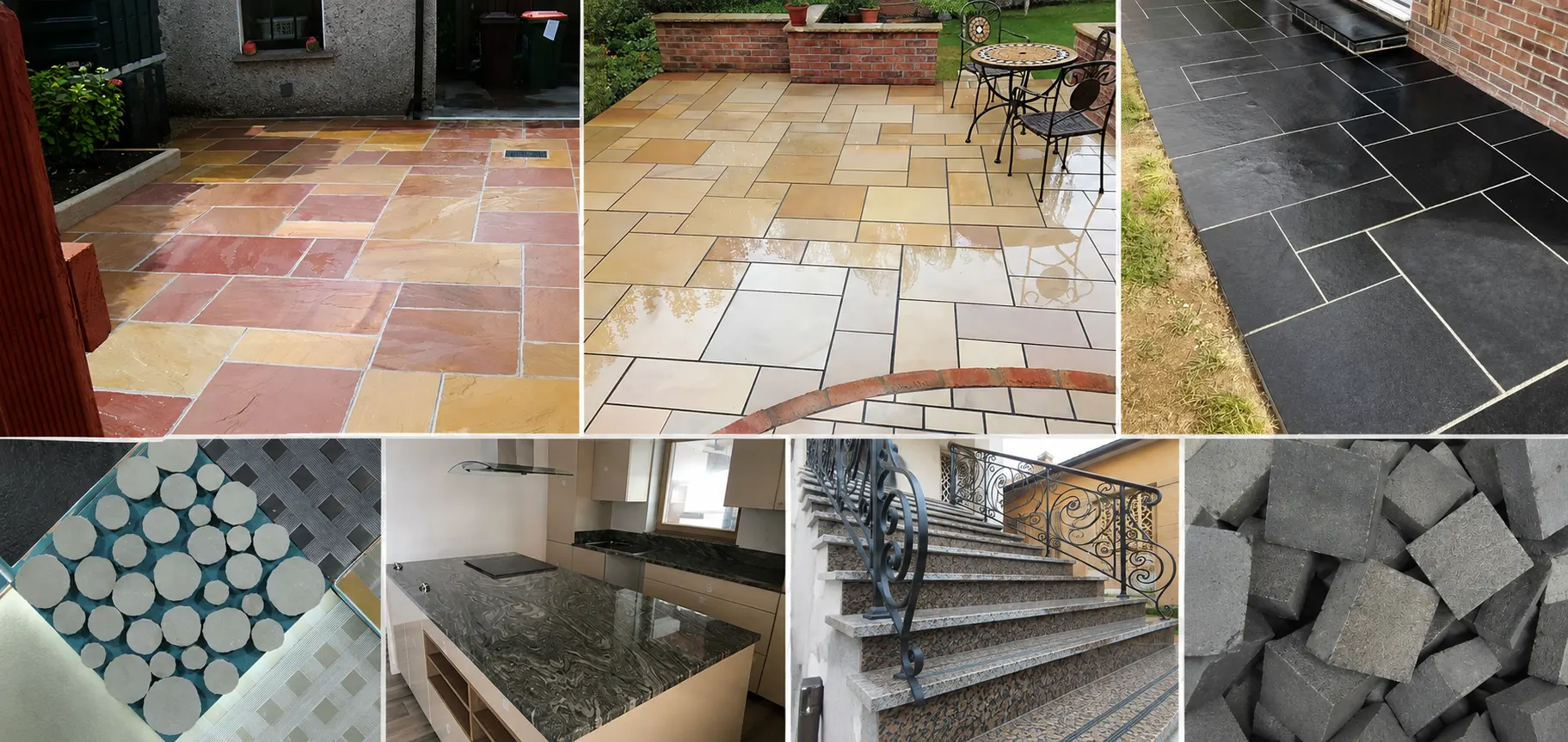
Choosing the right natural stone for outdoor applications involves careful consideration of strength, appearance, weather conditions, traffic levels and installation needs. Importers, architects, developers, builders and landscape professionals regularly specify natural materials because they deliver characterful colours, textures and long-term architectural character. From paving and patios to façades, garden walls, walkways and commercial outdoor spaces, stone can work successfully when its physical characteristics correspond with the intended application. Professional Indian natural stone exporters offer sandstone, slate, quartzite, limestone, granite, basalt, porphyry and other materials in numerous sizes and finishes. Understanding the main types of natural stone for exterior use helps global importers to specify appropriate products while evaluating technical performance, manufacturing quality and site requirements.
Indian Sandstone for Exterior Projects
Indian sandstone for exterior projects is widely chosen for its organic texture, wide variety of colours and versatility for architectural and landscape applications. Typical colours include buff, beige, cream, brown, red, pink, grey, green and multicolour combinations. Recognised varieties include Kandla Grey, Raj Green, Mint, Modak, Teak, Rainbow and Dholpur sandstone. Sandstone can be manufactured into slabs, tiles, flagstones, steps, paving units and walling products. It is widely used as natural stone for outdoor flooring around patios, terraces, courtyards, pathways and gardens. Different thicknesses, edge treatments and surface finishes enable buyers to select products according to the installation method and anticipated usage. Moisture absorption, strength and climatic suitability should be carefully evaluated for the particular sandstone type being considered.
Slate for Natural Stone Exterior Cladding
Slate is a naturally layered metamorphic material appreciated for its textured appearance and natural surface variation. It is widely specified for exterior natural stone cladding, landscape walls, architectural details, pathways, steps and suitable exterior flooring applications. Indian slate can be sourced in shades including black, grey, green, copper, rust, gold, purple and multicolour. Commonly specified varieties include Deoli Green, Silver Shine, Indian Black, Autumn, Copper and California Gold. Its layered natural character can produce visually striking façades and feature walls, making slate especially appealing for exterior natural stone wall cladding. Buyers should evaluate the specific stone variety's water absorption, strength, weathering characteristics and climate compatibility rather than assuming every slate variety will perform identically in all environments.
Quartzite for Durable Outdoor Surfaces
Quartzite is a strong metamorphic stone created from quartz-rich material subjected to geological heat and pressure. Its hardness, strength and abrasion resistance make it useful for demanding exterior environments. Quartzite can be prepared for paving, steps, terraces, garden walls, landscape elements and façade applications where its tested properties match project specifications. Indian varieties are available in grey, green, gold, copper, brown, rust and multicolour tones. Copper Quartzite, Silver Grey and Golden Quartzite are popular examples of materials used for decorative exterior architecture. For buyers seeking durable natural stone paving, quartzite can deliver an effective combination of durability and natural visual variation. Surface finish, thickness and size tolerances should be specified clearly before production.
Limestone for Exterior Architecture
Limestone creates a comparatively refined appearance that works well with both modern and traditional architecture. Indian varieties such as Kota, Kadapa Black, Tandur Yellow, Tandur Grey and Lime Pink can be specified for wall cladding, landscaping, paving, garden features and exterior architectural details. Because limestone characteristics vary between geological deposits, technical assessment is especially important. Importers should evaluate water absorption, compressive strength, flexural strength, abrasion resistance and expected exposure conditions before selecting a particular material. Appropriate surface treatments can further influence appearance and performance. For exterior flooring, the selected texture should provide adequate slip resistance while coordinating with the overall architectural design.
Granite for Heavy-Use Outdoor Applications
Granite is one of the hardest-wearing natural materials frequently selected for construction and landscaping. Its strength makes it particularly useful for exterior steps, kerbs, plazas, pathways, façades, retaining structures and high-traffic flooring. Indian granite can be sourced in black, grey, white, pink, red, brown, green and additional shades, with varieties such as Absolute Black, Steel Grey, Black Galaxy, Alaska White and Viscount White providing distinctive visual qualities. Exterior finishes may include flamed, honed, bush hammered, sandblasted, brushed or sawn textures. The surface treatment can considerably influence both appearance and slip resistance, especially on walking surfaces exposed to rain. Granite is therefore an practical option when evaluating the best natural stone for landscaping in high-use residential, commercial and public settings.
Contemporary Landscape Design with Basalt and Porphyry
Basalt is a hard-wearing volcanic stone recognised for its deep grey and black colouring and contemporary character. It is frequently manufactured for driveways, pathways, kerbs, steps, outdoor floors, wall cladding and public landscaping. Finishes such as flamed, bush hammered, shot blasted, split face, honed and brushed can produce different textures. Porphyry provides another attractive option for exterior landscapes. It is often produced into paving slabs, cubes, setts, cobbles, kerbs and steps for courtyards, pedestrian areas, plazas, garden paths and commercial spaces. Its reddish, purple, grey, brown and multicolour variations allow considerable design flexibility. Performance characteristics and finishing methods should be reviewed according to traffic, climate and installation conditions.
Natural Stone Paving, Cobbles and Setts
Natural stone paving products can be processed from sandstone, granite, basalt, quartzite, limestone and other appropriate stone types. types of natural stone for exterior use Pavers, cobbles, setts, kerbstones, edging pieces and stepping stones are widely used for driveways, courtyards, garden pathways, pedestrian areas and commercial landscapes. The appropriate stone thickness varies according to factors such as anticipated loads, base preparation and installation method. Heavy-use environments generally require careful assessment of compressive strength and abrasion resistance. For garden applications, stepping stones and irregular paving can provide softer transitions between lawns, planted areas and architectural features. This versatility makes natural stone suitable for both formally structured developments and more informal landscaping schemes.
How to Choose Suitable Exterior Stone and Finish
Specifying suitable natural stone for outdoor applications starts with assessing the environment in which the material will be used. Climate, moisture exposure, temperature changes, foot or vehicle traffic, maintenance requirements and design style all influence the decision. Buyers should consider water absorption, slip resistance, abrasion resistance and resistance to freeze-thaw cycles where required. Surface finishes including natural cleft, sawn, honed, flamed, bush hammered, sandblasted, brushed, split face and rock faced offer different visual and functional characteristics. Technical documentation and appropriate samples can assist buyers to evaluate whether a material satisfies specific project requirements before committing to larger quantities.
Sourcing from Natural Stone Suppliers in India
Experienced Indian natural stone suppliers can serve international projects with diverse stone varieties, bespoke dimensions, surface processing and international export packaging. India has extensive resources of sandstone, slate, quartzite, limestone, granite, basalt and landscape stone materials, enabling buyers to procure products for different architectural themes from a single sourcing region. When assessing suppliers, importers should review production capacity, dimensional consistency, quality-control processes, packaging standards and experience handling container quantities. Detailed specifications covering stone name, dimensions, thickness, finish, edge treatment and estimated volume enable manufacturers to process products accurately. Buyers should also obtain appropriate technical documentation when project standards demand confirmed performance data.
Conclusion
Natural stone continues to be a reliable and visually distinctive material for exterior architecture and landscape design. Sandstone delivers versatility for paving and cladding, slate provides expressive layered textures, quartzite provides hardness, limestone produces refined architectural surfaces, while granite, basalt and porphyry can perform well in demanding exterior environments. The most suitable natural stone for exterior flooring or wall applications varies according to the specific material variety, climate, finish, traffic and installation system. By partnering with established natural stone exporters from India and communicating technical and manufacturing requirements in detail, global buyers can obtain exterior stone suited to residential, hospitality, commercial, landscape and infrastructure projects while supporting consistency, durability and lasting architectural appeal.